When Our Values Are Under Pressure: A Biblical Response for Conservative Christians
Elections come and go. How believers stand, speak and serve when their convictions are pushed aside doesn't change.
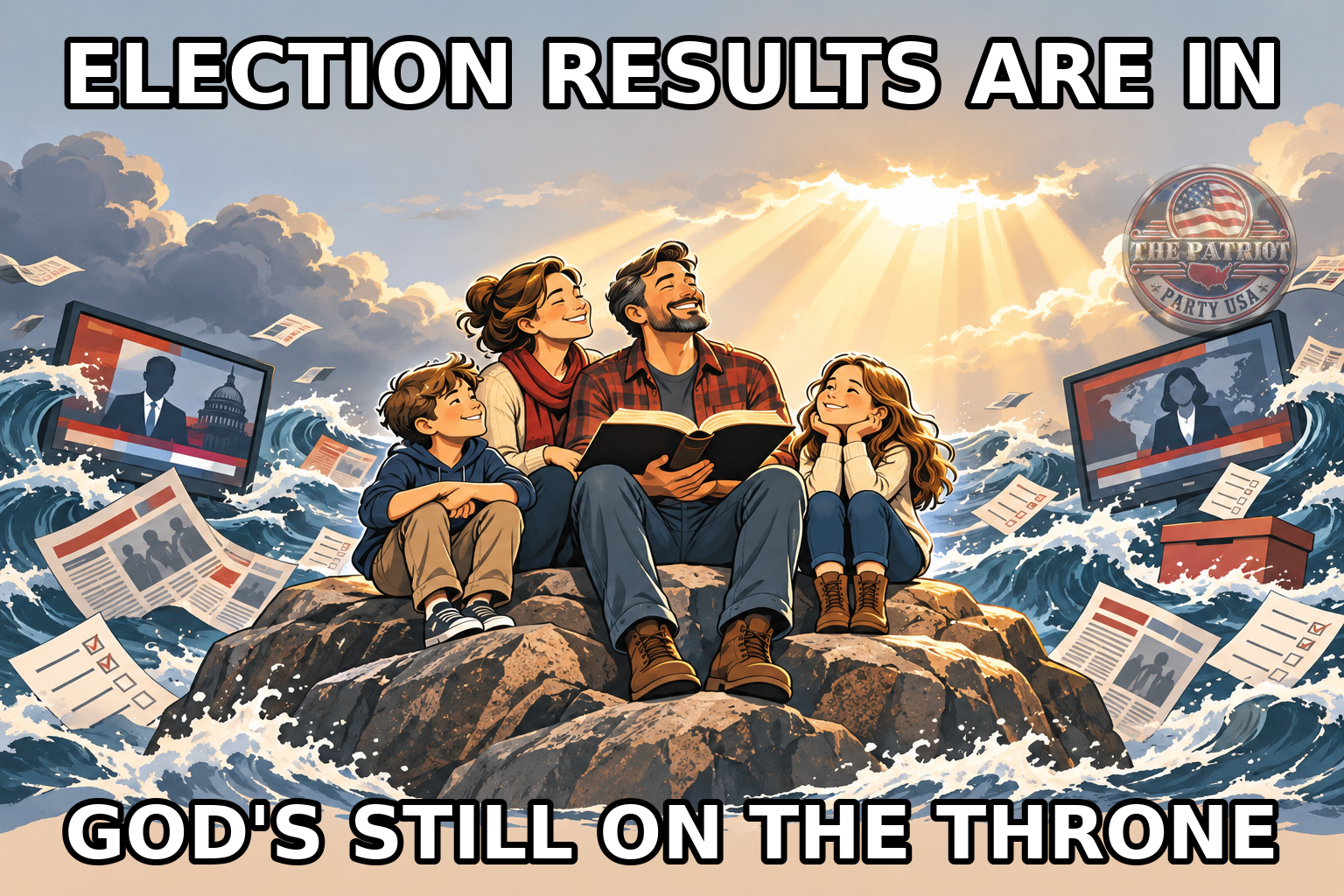
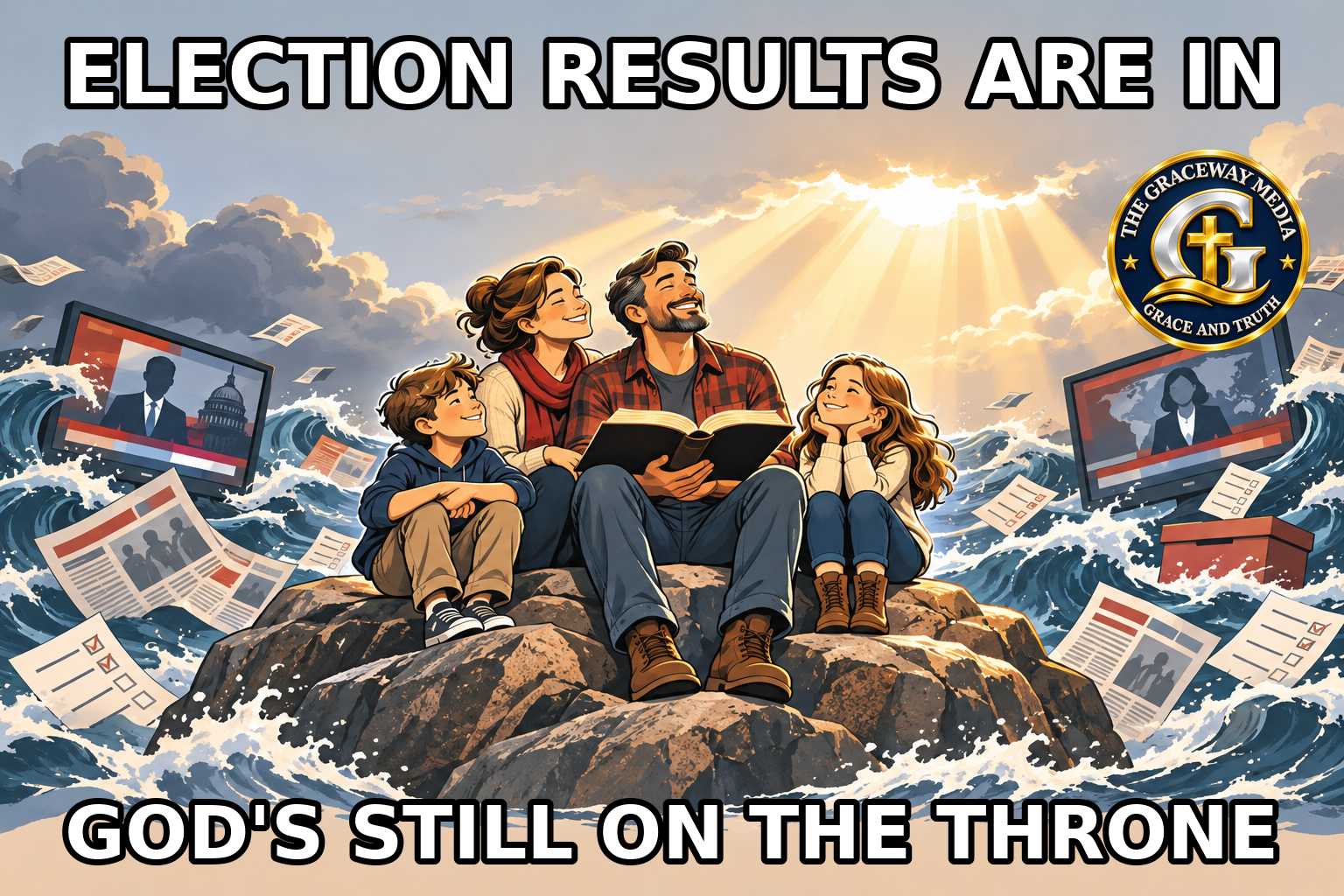
Another election is behind us. Some races went the way many of us prayed they would. Others did not. Either way, Monday morning comes, and with it the same question believers have faced in every generation: what do we do when the culture, the courts or the government push against the convictions we hold from Scripture?
Many conservative Christians feel that pressure sharply. Parents worry about what their children are taught without their knowledge. Business owners and employees wonder whether a sincerely held belief about marriage or the sanctity of life will cost them a contract or a career. Churches watch zoning boards, licensing rules and public-health orders more closely than they once did. Pastors measure their words, unsure who is recording. These concerns are real, and pretending otherwise helps no one.
But the Bible does not leave us to choose between quiet surrender and angry retaliation. It lays out a third way — one that is harder and far more powerful.
1. Remember who is actually on the throne
The first response to pressure is perspective. "The king's heart is in the hand of the LORD, as the rivers of water: he turneth it whithersoever he will" (Proverbs 21:1). No vote count, court ruling or executive order has ever unseated God. Daniel served under kings who outlawed his prayers, and he kept praying with the window open (Daniel 6:10). He did not panic, and he did not hide. He knew whose kingdom would last.
Our hope is not in a party, a candidate or a supermajority. Those things matter, and we should work for good government. But when we make politics our savior, every loss feels like the end of the world. It isn't.
2. Honor authority — and know where its limits are
Scripture tells us to pray for and respect those who govern (Romans 13:1–7; 1 Timothy 2:1–2). That includes officials we did not vote for and policies we oppose. We pay our taxes, obey just laws and speak about our leaders without contempt.
Yet the same apostles who taught submission also drew a clear line. When the authorities ordered them to stop preaching, Peter and John answered, "We ought to obey God rather than men" (Acts 5:29). Christian civil obedience has a ceiling: the government may not command what God forbids or forbid what God commands. When that line is crossed, believers respectfully decline — openly, peacefully and willing to bear the cost, as Shadrach, Meshach and Abednego did before the furnace (Daniel 3).
3. Use every lawful tool you have — gladly
Paul did not apologize for his Roman citizenship. When he was wrongly beaten, he appealed to his legal rights (Acts 16:37; 22:25) and eventually took his case all the way to Caesar (Acts 25:11). American Christians have even stronger tools: the First Amendment, religious-liberty statutes, school boards, city councils, ballots and the courts.
Using them is not worldliness; it is stewardship. Show up at school board meetings. Read the bills. Know your rights at work. Support legal organizations that defend religious freedom. Run for local office. Vote in every election, not just the big ones. Faithfulness includes citizenship.
4. Keep your speech seasoned with salt
The way we stand matters as much as where we stand. "Let your speech be alway with grace, seasoned with salt" (Colossians 4:6). Peter told persecuted believers to be ready to give a reason for their hope — "with meekness and fear" (1 Peter 3:15).
That rules out mocking our opponents, spreading rumors we haven't checked, or treating fellow citizens as enemies to be destroyed. "For we wrestle not against flesh and blood" (Ephesians 6:12). The neighbor who votes differently is not the enemy. Truth spoken with contempt rarely persuades anyone; truth spoken with courage and kindness has turned nations.
5. Seek the good of the city — even an unfriendly one
When God's people were carried off to Babylon, a culture openly hostile to their faith, God did not tell them to withdraw or to riot. He told them to build houses, plant gardens, raise families and "seek the peace of the city ... and pray unto the LORD for it" (Jeremiah 29:7).
That is our assignment too. The strongest answer to a hostile culture is a church that serves it: foster families, pregnancy centers, food pantries, disaster relief, honest businesses, faithful marriages and neighbors who show up. Laws can restrict what Christians say in some places. They have never been able to stop what Christians do in love.
6. Strengthen the home and the church
Values are not mainly protected in Austin, Sacramento or Washington. They are passed down at kitchen tables and in church pews. "Train up a child in the way he should go" (Proverbs 22:6). If we lose the next generation at home, no election can win it back.
Read Scripture with your family. Know what your children are learning and talk with them about it. Stay planted in a local church where you are known and accountable. A people rooted in the Word are not easily uprooted by the headlines.
7. Endure with joy
Finally, Jesus told us plainly that following Him would bring opposition (John 15:18–20) — and then told us to rejoice in it (Matthew 5:11–12). Pressure is not proof that God has abandoned us. Often it is the very place He refines us.
So whatever this week's results mean for your state and our country: pray for your leaders, stand on your convictions, use your rights, guard your tongue, serve your neighbors, disciple your family — and do it all with hope. "Be not overcome of evil, but overcome evil with good" (Romans 12:21).
The ballots have been counted. Our calling hasn't changed.
Scripture references (KJV): Proverbs 21:1 · Daniel 3, 6:10 · Romans 13:1–7, 12:21 · 1 Timothy 2:1–2 · Acts 5:29, 16:37, 22:25, 25:11 · Colossians 4:6 · 1 Peter 3:15 · Ephesians 6:12 · Jeremiah 29:7 · Proverbs 22:6 · John 15:18–20 · Matthew 5:11–12
Share this